Future of Public Transport: Electrification, AI Scheduling & Seamless Commuting
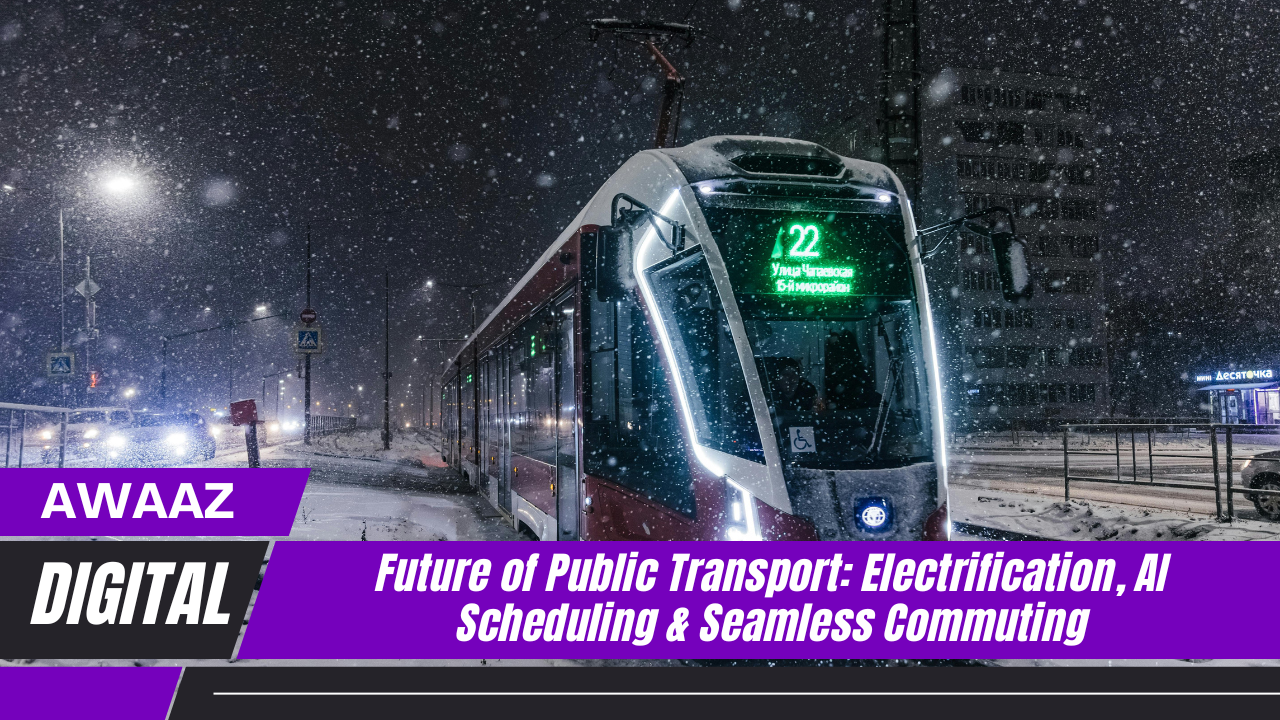
Open transport is experiencing the greatest change in advanced history. Over the world, cities are reimagining how millions of individuals move each day, and the future of open transport is being melded by zap, manufactured insights planning, and consistent commuting frameworks. As climate alter concerns heightening and urban populaces develop quickly, governments and private divisions are contributing intensely in feasible transportation arrangements. Look patterns like “electric buses future,” “AI in open transportation,” “smart city transport solutions,” and “contactless commuting systems” are rising strongly, appearing worldwide intrigued in more intelligent, cleaner portability. The move is not fair innovative; it is social. Individuals no longer need transportation that is only useful. They need it proficient, eco-friendly, associated, and stress-free.
Electrification is at the heart of this change. Electric buses, electric trains, and battery-powered metro frameworks are supplanting diesel armadas in major cities. The worldwide thrust toward electric open transport is driven by the require to diminish carbon outflows, lower discuss contamination, and diminish long-term fuel costs. Electric buses create zero tailpipe outflows, essentially making strides urban discuss quality. For cities battling with exhaust cloud and respiratory wellbeing issues, this alter is life-saving. Looks for “benefits of electric buses,” “electric transport charging infrastructure,” and “public transport decarbonisation” proceed to slant since policymakers and citizens alike are looking for feasible answers.
Beyond natural benefits, electric open transport too offers financial focal points. In spite of the fact that starting speculation costs are higher, electric armadas decrease support and fuel costs over time. Batteries and renewable vitality integration make frameworks more flexible to fuel cost instability. Numerous cities are blending electric transport with sun powered and wind control frameworks, making a cleaner portability biological system. The concept of “net-zero transport systems” is no longer cutting edge; it is getting to be a quantifiable approach objective. Jolt adjusts superbly with worldwide climate understandings and green economy strategies.
Artificial insights is the moment effective constrain rethinking open transport. AI planning and prescient analytics are fathoming long-standing issues such as delays, packing, and wasteful steering. Conventional transport and prepare plans frequently depend on inactive timetables, but AI-powered frameworks analyse real-time activity information, traveller stream, climate designs, and chronicled patterns to optimize courses powerfully. The most looked watchwords like “AI activity management,” “smart travel systems,” and “predictive support in railways” reflect how innovation is moving forward day by day commuting experiences.
AI planning diminishes holding up times and makes strides reliability. When traveller request increments amid top hours, cleverly frameworks can naturally expedite extra vehicles. Amid low-demand periods, courses can be balanced to preserve vitality. This adaptability makes strides operational productivity whereas upgrading commuter fulfilment. Prescient upkeep is another breakthrough application. Instep of holding up for mechanical disappointments, AI sensors screen vehicle components and distinguish early signs of wear and tear. This decreases breakdowns, upgrades security, and brings down repair costs. For commuters, this implies less disturbances and smoother journeys.
Seamless commuting is getting to be the extreme objective of advanced transport frameworks. The thought is basic: moving from one mode of transport to another without contact. Whether exchanging from metro to transport or bike-sharing to prepare, travellers need coordinates ticketing, synchronized plans, and real-time overhauls. Look terms like “Mobility as a Service,” “integrated transport apps,” and “contactless ticketing systems” appear expanding request for computerized comfort. Versatility as a Benefit, regularly shortened as MaaS, combines diverse transport modes into a single advanced stage. Through one app, commuters can arrange courses, compare travel times, pay admissions, and get live updates.
Contactless instalments and advanced wallets have gotten to be standard desires. QR codes, keen cards, and portable tickets dispose of the require for physical cash and decrease boarding time. This not as it were speeds up ventures but too improves cleanliness and security. The widespread quickened the appropriation of touch-free frameworks, and commuters presently favour advanced ticketing for its straightforwardness. Consistent commuting too incorporates openness changes. Savvy transport frameworks are being planned with comprehensive highlights for elderly travellers, individuals with inabilities, and families with children.
Urbanization is another key figure forming the future of open transport. By 2050, a noteworthy rate of the worldwide populace will live in cities. High-density urban living requires effective mass travel to anticipate activity blockage and contamination. Electric metro extensions, high-speed rail systems, and Transport Quick Travel frameworks are being created around the world to handle expanding request. The catchphrase “sustainable urban mobility” has ended up central to city arranging dialogs. Governments recognize that private car reliance is unsustainable in swarmed cities, both ecologically and economically.
Micro-mobility arrangements are complementing conventional open transport systems. Electric bikes, bike-sharing programs, and pedestrian-friendly framework are filling the “first-mile and last-mile” network holes. Commuters can presently travel from domestic to a metro station utilizing shared bicycles and at that point proceed their travel through prepare. Coordinates transport apps permit smooth moves between these modes. Micro-mobility decreases activity blockage and bolsters eco-friendly commuting propensities. The rise in looks for “electric bike sharing,” “urban bicycle programs,” and “last mile network solutions” reflects this developing shift.
Sustainability remains the most grounded driving drive behind advancement. Governments are setting driven carbon lack of bias targets, and transportation accounts for a huge parcel of worldwide outflows. Energized buses and trains essentially decrease nursery gasses compared to fossil fuel vehicles. Also, regenerative braking innovation in electric trains changes over active vitality into power, progressing productivity. Renewable-powered charging stations advance diminish the carbon impression. The express “green open transport solutions” proceeds to slant as climate-conscious commuters request accountability.
Digital change is moreover improving traveller encounter. Real-time following apps permit commuters to see correct entry times, decreasing vulnerability and push. AI chatbot give moment client bolster, whereas computerized shows overhaul travellers around delays or course changes. The integration of 5G innovation empowers speedier information transmission, making real-time overhauls more precise. These progressions make commuting less disappointing and more predictable.
Safety and security are profiting from innovation as well. AI-powered reconnaissance frameworks distinguish bizarre exercises and alarm specialists immediately. Shrewd sensors screen swarm thickness to anticipate packing in stations. Amid crises, robotized frameworks can reroute vehicles productively. For travellers, feeling secure is as vital as coming to their goal quickly.
Economic advancement is closely tied to proficient open transport. Cities with dependable travel frameworks draw in businesses, tourism, and speculation. Decreased travel time increments efficiency and progresses quality of life. The future of commuting is not fair around transportation; it is around financial flexibility and social value. Reasonable open transport guarantees portability for lower-income populaces, diminishing imbalance and growing get to to instruction and employment.
High-speed rail systems are moreover portion of the advancing portability scene. Nations are contributing in bullet trains and cross-border rail frameworks to diminish reliance on short-haul flights. Energized rail is more energy-efficient than discuss travel and produces less emanations. The request for “high-speed rail future” and “sustainable long-distance travel” proceeds to develop as natural mindfulness increases.
Data analytics plays a central part in forming more astute cities. Transport specialists collect anonymized commuter information to recognize designs and move forward arranging. AI models anticipate populace development zones and recommend foundation developments. This proactive arranging anticipates clog some time recently it gets to be a emergency. Data-driven versatility guarantees assets are apportioned efficiently.
The human perspective of open transport ought to not be ignored. Consistent commuting diminishes day by day push, giving individuals more time for family, work, and individual development. Long activity jams and untrustworthy plans affect mental wellbeing and efficiency. When transport gets to be proficient and comfortable, urban living gets to be more pleasant. Comfortable seating, Wi-Fi network, climate control, and calm zones are being coordinates into cutting edge travel systems.
However, challenges stay. Foundation updates require noteworthy speculation. Battery generation and transfer raise natural concerns. Cybersecurity dangers increment as frameworks ended up more advanced. Policymakers must adjust advancement with supportability and information security. Straightforward administration and open believe are fundamental for effective implementation.
The future of open transport is interconnected, shrewdly, and naturally capable. Jolt diminishes contamination and working costs. AI planning improves proficiency and unwavering quality. Consistent commuting coordinating different modes into one smooth travel. As cities advance into shrewd urban environments, open transport will serve as the spine of maintainable development.
Commuters are no longer detached travellers; they are educated clients who request comfort, maintainability, and straightforwardness. Look patterns clearly show that electric portability, AI-powered travel, and coordinates transport stages will rule the coming decade. Governments and trend-setters who prioritize green innovation, computerized change, and comprehensive plan will lead the portability revolution.
Ultimately, the future of open transport is around making cities where development is easy, clean, and available to all. It is almost decreasing natural affect whereas upgrading human encounter. Charge, fake insights, and consistent advanced integration are not separated patterns; they are interconnected columns forming the following period of transportation. As innovation propels and maintainability gets to be non-negotiable, open transport will change from a fundamental benefit into a keen, eco-conscious portability organize that characterizes the cities of tomorrow.
Another effective drift forming the future of open transport is the rise of independent open travel vehicles. Whereas completely self-driving cars are still advancing, independent buses and driver-assist prepare frameworks are as of now being tried in a few savvy cities. Looks for “autonomous buses,” “driverless metro systems,” and “self-driving open transport safety” are consistently expanding as governments investigate mechanization to decrease labour deficiencies and human mistake. Independent innovation, when combined with AI activity administration, can altogether diminish mishaps, optimize fuel effectiveness, and make strides on-time execution. In spite of the fact that open believe and administrative systems are still creating, mechanization is anticipated to ended up a central component of next-generation travel networks.
Another developing zone of intrigued is hydrogen-powered open transport. Whereas electric batteries rule features, hydrogen fuel cell buses and trains are rising as elective clean vitality arrangements, particularly for long-distance courses where battery charging framework may be constrained. Watchwords like “hydrogen buses vs electric buses” and “green hydrogen transport” reflect rising interest approximately expanded vitality sources. Hydrogen vehicles transmit as it were water vapour and can refuel quicker than battery-powered armadas, making them appealing for particular travel frameworks. Numerous specialists accept the future will not depend on a single innovation but or maybe a blend of charge, hydrogen, and renewable vitality integration.
Climate flexibility is moreover getting to be a basic figure in transport arranging. Extraordinary climate occasions, flooding, and heatwaves are expanding all inclusive, pushing cities to plan framework that can withstand natural push. Raised metro lines, flood-resistant underground frameworks, and heat-adaptive rail materials are being created to guarantee continuous benefit. The state “climate-resilient infrastructure” is picking up significance in urban versatility talks. Open transport must not as it were decrease outflows but too adjust to changing natural realities.
Equally vital is community engagement. The most fruitful transport frameworks are outlined with open criticism in intellect. Computerized overviews, versatility information sharing, and open arranging gatherings permit inhabitants to contribute to travel choices. When individuals feel listened, selection rates move forward. A shrewd transport framework is not fair mechanically progressed; it is socially responsive.
The coming decade will likely rethink commuting culture totally. Adaptable work designs, farther employments, and cross breed workplaces are affecting crest travel times. AI-powered travel frameworks are as of now adjusting to these moving designs. Open transport is getting to be more personalized, feasible, and productive. What was once considered a schedule need is presently a key column of natural obligation, financial development, and urban well-being.